What Helps at Home and What Medicare May Cover
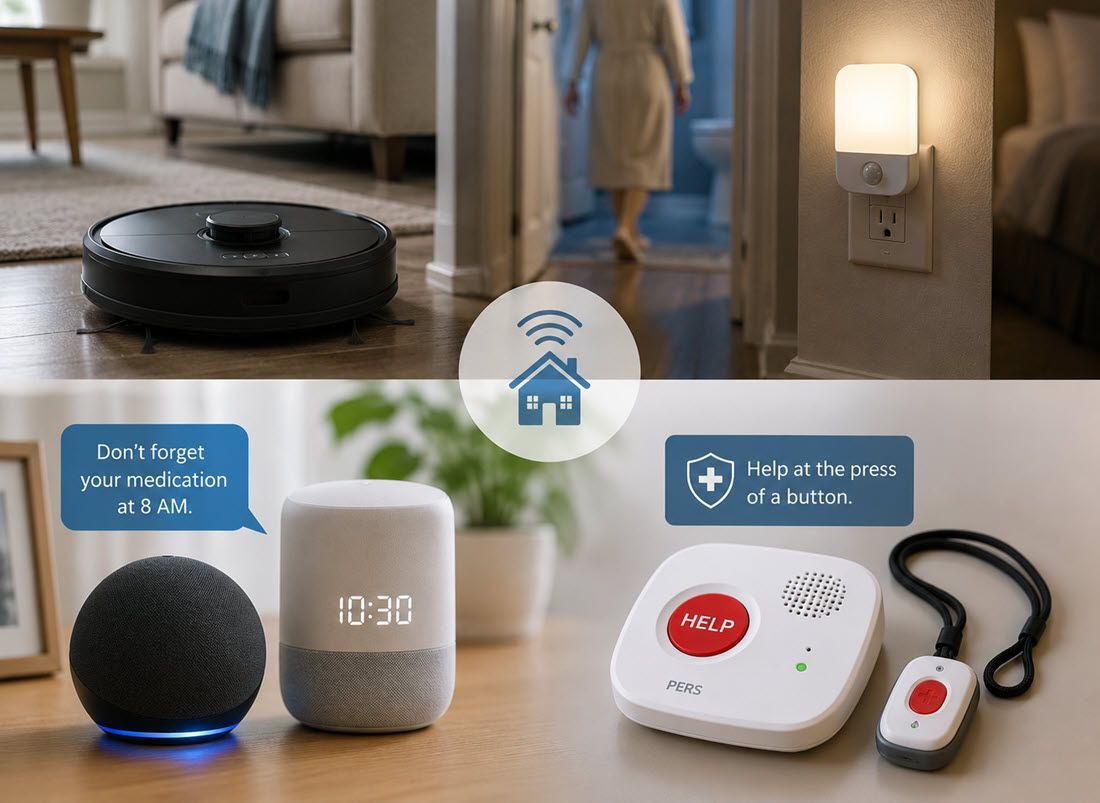
Smart home tech can make daily life at home easier and safer. For older adults, the right devices help with everyday tasks and give family members peace of mind. Here is a look at the devices that help most, plus a clear answer on what Medicare may or may not pay for.
Robot Vacuums Can Support Your Health, Not Just Your Floors
Clutter and dust on the floor raise the risk of trips and falls. A robot vacuum handles this without bending or hauling a heavy machine.
- It clears dust, crumbs, and pet hair on a schedule, so floors stay clear of slip hazards.
- It cuts down on bending and twisting, which can be hard on the back, hips, and knees.
- You can start it with a voice command or a phone app, so it can be managed from anywhere.
Honest note: A robot vacuum will not deep clean or handle stairs. Think of it as steady upkeep between bigger cleanings.
When shopping for this kind of device, search phrases like “self-emptying robot vacuum” or “robot vacuum with voice control”.
Smart Lighting and Motion-Sensor Night Lights
Good lighting is one of the simplest ways to prevent falls. Falls are the top cause of injury for older adults, and the risk goes up in low light because aging eyes adjust to the dark more slowly.
Motion-sensor lights and night lights turn on by themselves when you move, so you can see your path without reaching for a switch. Place them along the route from the bed to the bathroom, near the toilet, in hallways, and on stairs. Most are cheap, stick on or plug in, and need no real setup.
When shopping for this kind of device, search phrases like “motion-sensor night light,” “stick-on LED night light,” or “plug-in motion sensor hallway light.”
Fall Monitors and Medical Alert Systems
A fall is one of the biggest safety concerns for older adults. A medical alert system, also called a personal emergency response system (PERS), can call for help quickly. There are multiple types of PERS, but the most common options are:
- A wearable button, worn as a pendant or wristband, that you press to call for help.
- Automatic fall detection that senses a hard fall and calls for help on its own.
- Two-way voice devices so you can talk with a responder right away.
Some newer options are built into smartwatches and can track heart rate and daily activity, too.
When shopping for this kind of device, search phrases like “medical alert system with fall detection,” “personal emergency response system,” or “medical alert smartwatch.”
Smart Devices That Remind You About Medications and Appointments
Missing a dose of medication or an appointment is common, and it can negatively affect your health. A few tools help you stay on track.
- Smart speakers like Amazon Alexa or Google Nest. You can set spoken reminders for pills, refills, and appointments just by asking.
- Automatic pill dispensers. These stay locked until it is time for a dose, then beep or light up. Some alert a family member if you miss one.
- Phone or smartwatch alerts. Reminder apps can ping you and a caregiver at the same time when it is time to take a medication or get ready for an appointment.
Pick what fits how you live. If you take several medications, a locking dispenser adds a layer of safety.
When shopping for this kind of device, search phrases like “automatic pill dispenser,” “locking pill dispenser with alarm,” or “medication reminder app.”
Stove Shut-Off and Fire Prevention
This one matters, especially if memory loss is a concern. Unattended cooking is the number one cause of home fires in the U.S. A stove shut-off device adds a safety net.
Some devices, like FireAvert, sync to your smoke detector and cut power to the stove when the alarm sounds. They install in under 10 minutes with no tools. Others, like iGuard, shut off the stove when no one is in the kitchen, add a gas sensor on the gas model, and alert family through a phone app.
When shopping for this kind of device, search phrases like “automatic stove shut-off device,” “stove fire prevention for seniors,” or “gas stove auto shut-off.”
What Medicare Covers, and What It Does Not
This is where people get confused, so here is the straight answer: Medicare coverage for these types of devices is not extensive, and it depends on the type of Medicare you have.
Original Medicare and Medicare Supplement. Original Medicare and Medicare Supplement plans do not cover medical alert systems, fall monitors, smart lighting, robot vacuums, or reminder gadgets. They can cover certain doctor-ordered durable medical equipment for home use, such as walkers, wheelchairs, and hospital beds, but the items discussed in this article are not covered. Original Medicare and Medicare Supplement do cover a balance exam to check your fall risk when your doctor orders one.
Medicare Advantage (Part C). Some Medicare Advantage plans may offer extra benefits that Original Medicare does not, such as an over-the-counter allowance or help with the cost of a medical alert system. This varies a lot by plan and location, and a plan may cover only part of the cost. If a benefit like this matters to you, check the specific plan’s details before you enroll. Plan benefits and rules can change each year.
How to Choose What Is Right for You
Start with your biggest worry. If falls are the concern, better lighting and a medical alert system are good first steps. If managing prescriptions is hard, a pill dispenser may matter most. You do not need every gadget. One or two that fit your routine can make a real difference.